
Apple

Advice

This page offers advice on recovery after dental procedures, oral health during pregnancy and everyday care of your teeth and gums. For questions and individual recommendations, contact our team.
At a dentist with a smile

Recovery After Oral Surgery

After your procedure, you will receive individual instructions tailored to the treatment and your health. The information below provides general guidance on recovery.
RINSING AND ORAL HYGIENE

For the first 24 hours after a tooth extraction, do not rinse your mouth or disturb the surgical site. After this, resume oral hygiene carefully, following the instructions provided after your procedure. Use an antiseptic mouthwash only if recommended, at the concentration and for the duration specified by your dentist.

BLEEDING

A small amount of blood in the saliva can occur after a tooth extraction. If the socket is bleeding, place sterile gauze over it and maintain pressure by biting down for about 30 minutes. Contact your dentist if bleeding is heavy, persistent or recurs.

PAIN RELIEF

Take pain relief as advised by your dentist and follow the instructions for the specific medicine. Do not exceed the recommended dose or combine medicines without professional advice. Do not stop your regular prescribed medication without consulting the prescribing clinician.

EATING AND DRINKING

Choose soft foods and avoid hot food and drinks while the local anaesthetic is still working. Further dietary advice will depend on the procedure you have had.

SMOKING

Avoid smoking for at least 48 hours after a tooth extraction, and longer if advised by your dentist, as smoking impairs healing.

SWELLING

Swelling and discomfort may be more pronounced during the first two to three days and should then gradually subside. Use cold compresses as instructed after your procedure. Contact your dentist if your symptoms worsen or you have persistent bleeding.

2731892

Oral Health During Pregnancy

Pregnancy can affect gum health and oral hygiene habits. Regular care and dental check-ups are important for maintaining oral health during this time.
GINGIVITIS

Hormonal changes during pregnancy can increase the gums’ response to dental plaque. Redness, swelling and bleeding should be assessed by a dentist and managed with appropriate oral hygiene measures.

A localised gum swelling, known as a pregnancy epulis, may develop during pregnancy. Any new lesion should be examined to establish a diagnosis and determine whether treatment is needed.

Changes in diet, frequent vomiting and difficulty maintaining oral hygiene may increase the risk of tooth decay. Calcium is not taken from the mother’s teeth to support the baby’s development.

DIET AND ORAL HEALTH DURING PREGNANCY

A balanced diet supports maternal health and the baby’s development. To protect your oral health, limit frequent consumption of sugary foods and drinks, particularly between meals, and maintain regular oral hygiene.

Discuss any need for vitamins, minerals or other supplements with the clinician overseeing your pregnancy. Do not start taking them without professional advice.

FLUORIDE AND TOOTH DECAY PREVENTION

Brush regularly with fluoride toothpaste to help prevent tooth decay. Use additional products only as individually recommended by your dentist.

DENTAL VISITS DURING PREGNANCY

Regular dental check-ups remain important during pregnancy. The frequency of visits is based on the condition of your teeth and gums and your individual needs. Tell your dentist about your pregnancy, any health conditions and any medication you are taking.

DENTAL X-RAYS DURING PREGNANCY

Dental X-rays can be taken during pregnancy when clinically indicated. Let your dentist know that you are pregnant so that investigations and treatment can be planned appropriately.

LOCAL ANAESTHESIA DURING PREGNANCY

Appropriate local anaesthesia can be used during pregnancy when needed for dental treatment. The choice of anaesthetic and its administration are tailored to the procedure and the patient’s health, with consultation with the treating clinician where necessary.

TOOTH EXTRACTION DURING PREGNANCY

Necessary dental treatment, including tooth extraction with appropriate local anaesthesia, can be carried out during pregnancy. Treatment is planned according to the patient’s health, in consultation with the treating clinician where necessary.

MEDICINES FOR DENTAL TREATMENT DURING PREGNANCY

During pregnancy, take medicines only on the advice of a doctor or dentist who is aware of your circumstances. Do not start or stop prescribed medication without professional advice.

The choice of pain relief or antibiotics depends on the clinical indication, stage of pregnancy, other medication and your health. Before taking any product, check with your doctor or pharmacist that it is suitable for you.

TOOTH WHITENING DURING PREGNANCY

Elective tooth whitening is postponed during pregnancy and breastfeeding.

3461926

Caring for Your Oral Health

Oral health includes the health of your teeth, gums and other tissues in the mouth. Good daily oral hygiene and regular dental check-ups help maintain it.

EVERYDAY ORAL HYGIENE

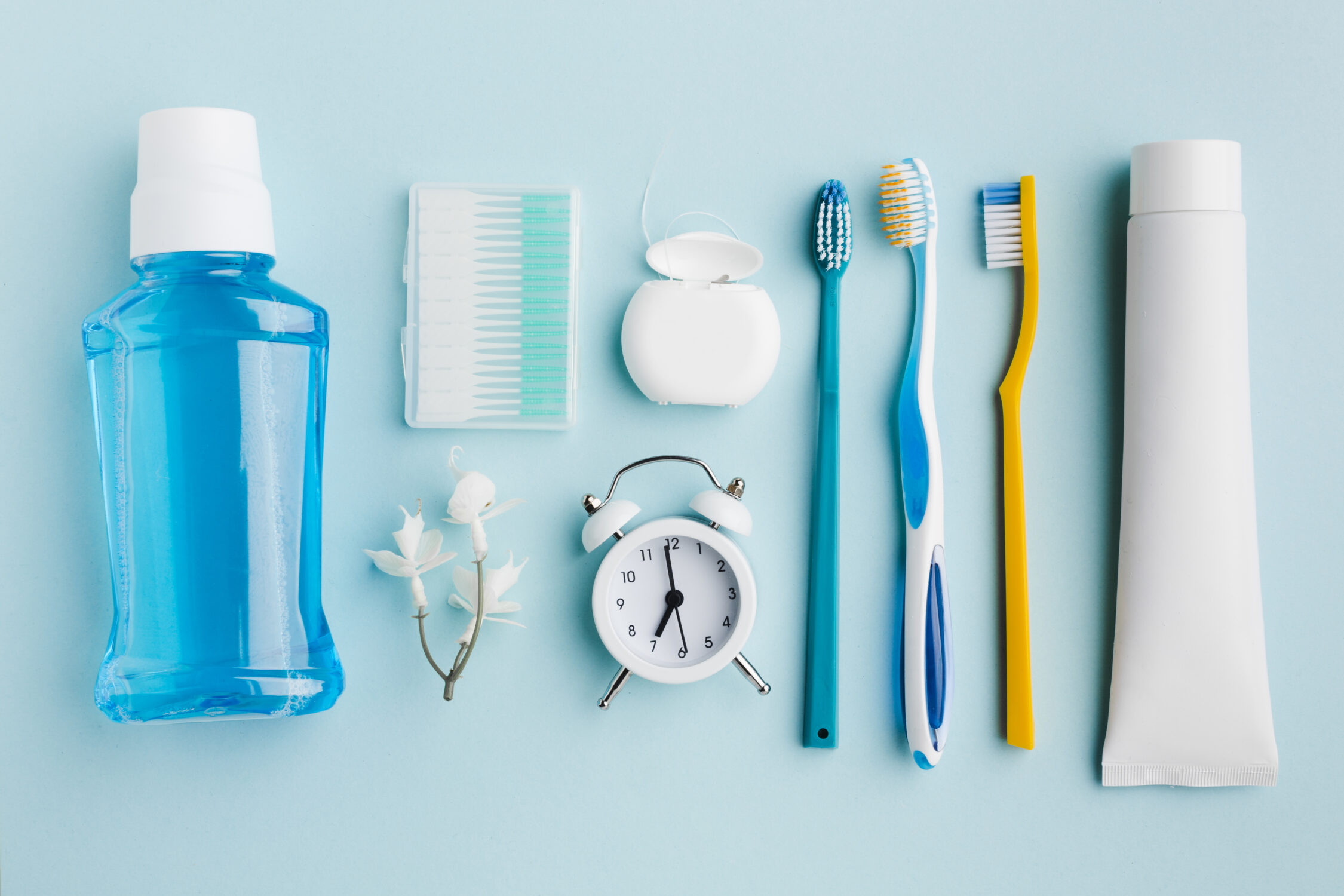
  • Brush your teeth thoroughly at least twice a day with fluoride toothpaste.
  • Clean between your teeth every day with dental floss or interdental brushes, as recommended by your dentist.
  • Clean your tongue gently and replace your toothbrush regularly, particularly when the bristles become worn.
  • Use mouthwash as recommended by your dentist.
  • Eat a balanced diet and limit frequent consumption of sugary foods and drinks.
  • Attend dental check-ups at the agreed intervals.
  • Tell your dentist if you notice tooth grinding or clenching.

Have a Question or Wish to Book an Appointment?